Support
Secure Payment Methods
Book your Pakistan tour with confidence using our trusted international and regional payment options.




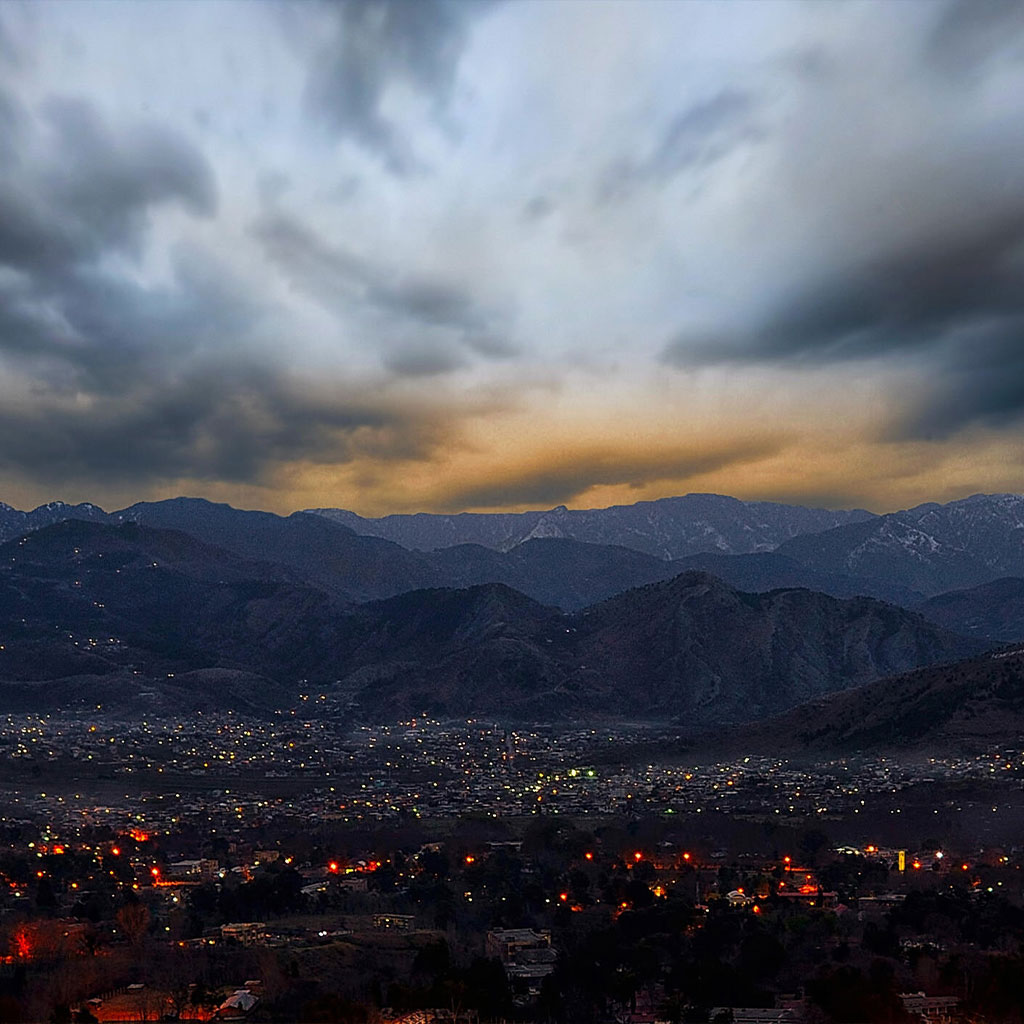
Gilgit City is the lively gateway to Pakistan's northern wonders, surrounded by rugged mountains and shaped by the meeting of rivers, valleys, cultures and historic travel routes. Sitting along the Gilgit River, the city combines the energy of a regional center with easy access to some of the most spectacular landscapes in Gilgit-Baltistan.
For travelers heading north, Gilgit is much more than a place to pass through. Its bustling bazaars, mountain scenery, local food, historic sites and welcoming atmosphere provide an introduction to the culture and everyday life of the region. The city is also an important base for journeys toward Hunza Valley, Skardu Valley, Ghizar and other mountain destinations.
From the river and surrounding peaks to the ancient rock carvings of Kargah and the busy streets of the city center, Gilgit offers a combination of nature, heritage and local life that makes it an important stop on a northern Pakistan itinerary.
Gilgit is one of the best places to experience the transition between the settled valleys of northern Pakistan and the high mountain landscapes of the Karakoram, Himalaya and Hindu Kush. The city provides practical access to several major destinations while offering its own cultural and historical experiences.
The city feels lively and welcoming. Local markets are filled with colorful fabrics, dried fruits, handicrafts and everyday goods, while the surrounding mountains provide a dramatic backdrop almost everywhere you go.
Gilgit is particularly attractive to travelers who want a balance between sightseeing and adventure. You can explore an ancient Buddhist rock carving, walk through a local bazaar, enjoy views along the river and then continue toward some of the world's most spectacular mountain valleys.
Gilgit occupies an important position within the road network of Gilgit-Baltistan. It serves as a major connection point for travelers continuing toward Hunza, Nagar, Ghizar, Skardu and other parts of the region.
Adventure Touristik currently includes Gilgit among its principal northern destinations, alongside Hunza Valley, Skardu Valley, Ghizar Valley and Karimabad.
The city's location makes it especially useful for multi-destination journeys. A traveler can use Gilgit as a base or stopover before continuing toward higher valleys and more remote mountain areas.
Adventure Touristik's current northern tour inventory includes journeys connecting Hunza and Skardu as well as longer routes through Gilgit-Baltistan.
The Gilgit River is one of the defining features of the city. Its presence helps shape the landscape and provides a striking contrast between flowing water, cultivated areas and the steep mountains surrounding the valley.
Walking or driving around Gilgit reveals how closely the city is connected to its natural environment. Mountain slopes rise around the urban area, while the river and nearby valleys provide important sources of water and fertile land.
The surrounding landscape also changes dramatically as you travel away from the city. Within a relatively short distance, travelers can move from a busy urban center into quiet valleys, mountain villages and increasingly rugged terrain.
Gilgit's bazaars are among the best places to experience the everyday character of the city. Shops and market stalls offer traditional clothing, textiles, dried fruits, nuts, handicrafts and other products from across the region.
For visitors, the bazaar is not simply a shopping destination. It is a place to observe local life and see how Gilgit functions as a commercial center connecting different mountain communities.
Travelers can also find regional products that make practical souvenirs, particularly dried fruits, local handicrafts and traditional textiles. Supporting local shops and producers is one way visitors can contribute directly to the local tourism economy.
The suspension bridge over the Gilgit River is one of the city's recognizable local landmarks. Crossing the bridge offers a closer view of the river and surrounding mountain landscape while providing a small taste of the adventure associated with traveling through northern Pakistan.
The bridge is part of the everyday infrastructure of the region rather than simply a tourist attraction. Visitors should therefore use it responsibly, follow local guidance and avoid unsafe behavior while taking photographs.
One of Gilgit's most significant historical attractions is the ancient rock carving known as Kargah Buddha. Located near Kargah Valley, the carving provides evidence of the Buddhist heritage that once flourished across parts of the wider region.
The site is particularly valuable because it adds a historical dimension to a destination that is often associated mainly with mountains and adventure. Travelers can see how Gilgit-Baltistan's position along historic routes contributed to the movement of religions, cultures and ideas across Central and South Asia.
Visitors should treat the carving and surrounding archaeological landscape with care and avoid touching, climbing on or damaging historic surfaces.
Kargah Valley offers a quieter landscape close to Gilgit and provides an opportunity to combine natural scenery with historical exploration. The valley leads away from the main urban environment into a more rugged mountain setting.
A visit to Kargah can therefore work well as a half-day experience for travelers staying in Gilgit. It provides a change of pace from the city while introducing visitors to both the natural and historical character of the surrounding region.
Gilgit sits within one of Pakistan's most culturally diverse mountain regions. The wider Gilgit-Baltistan area is home to communities with distinct languages, traditions, music, clothing, food and cultural practices.
The city brings many of these regional connections together. People travel to Gilgit from surrounding valleys for commerce, education, services and transport, giving the city an energetic character that differs from smaller mountain settlements.
For travelers, this makes Gilgit an excellent place to begin understanding the region before continuing into individual valleys. Spending time in the city can add cultural context to a journey that might otherwise focus only on mountains and viewpoints.
Food is another way to experience the culture of Gilgit-Baltistan. Local restaurants and markets offer a mixture of regional mountain dishes and familiar Pakistani cuisine.
Travelers can look for dishes prepared with locally available ingredients, traditional breads, meat, vegetables, dried fruits and other products associated with the mountain environment.
Dried fruits and nuts are particularly common in local markets and make popular gifts for visitors. Trying local food in Gilgit is a simple way to connect with the region beyond sightseeing.
Gilgit is an excellent base for travelers interested in outdoor activities. The surrounding region provides access to hiking, trekking, mountain photography, road journeys and cultural exploration.
For more demanding adventures, Gilgit can serve as a logistical starting point for journeys deeper into the Karakoram. Nearby valleys lead toward major trekking routes, high mountain passes, glaciers and some of Pakistan's most famous peaks.
Travelers planning trekking or expedition activities should allow additional time for weather, road conditions, acclimatization and local logistics. Adventure Touristik's wider Pakistan portfolio includes mountain tours and trekking experiences across Gilgit-Baltistan.
Hunza Valley is one of the most popular destinations to combine with Gilgit. The journey from Gilgit toward Hunza takes travelers deeper into the Karakoram landscape, with mountain villages, dramatic peaks, historic forts and the famous Hunza River along the route.
Travelers can continue toward Karimabad, visit Baltit and Altit Forts, explore Attabad Lake and travel farther north toward Passu and Khunjerab.
Explore Hunza Valley for its mountain scenery, historic forts, villages and cultural experiences.
Gilgit can also be combined with Skardu as part of a wider Gilgit-Baltistan journey. Skardu offers a very different landscape, including broad valleys, dramatic rock formations, high-altitude lakes, historic forts and access to major trekking and expedition routes.
Adventure Touristik currently offers a 12-day Hunza and Skardu journey covering destinations including Skardu, Shigar, Khaplu, Deosai and Hunza, demonstrating how the two regions can be connected in one itinerary.
Explore Skardu Valley and discover its lakes, forts, valleys and mountain landscapes.
Travelers looking for a quieter alternative can continue west from Gilgit toward Ghizar Valley. The region is known for its rivers, villages, mountain landscapes and access to places such as Gupis, Yasin and Phander.
Ghizar offers a slower travel experience and is particularly attractive for visitors interested in landscapes, photography, local communities and peaceful valley environments.
Explore Ghizar Valley and discover its mountain villages, rivers, lakes and quieter landscapes.
Gilgit can also be part of a journey toward Fairy Meadows and the Nanga Parbat region. Fairy Meadows offers a completely different mountain environment, with alpine meadows and spectacular views toward Nanga Parbat.
Travelers can use Gilgit as part of a broader northern Pakistan route before continuing toward Fairy Meadows, Hunza or Skardu depending on the itinerary.
Explore Fairy Meadows for its Nanga Parbat views, hiking and mountain experience.
The best time to visit Gilgit depends on the type of experience you want. The warmer months are generally the most practical for exploring the surrounding valleys, traveling by road and combining Gilgit with destinations across Gilgit-Baltistan.
Spring brings greenery and blossoms to many lower valleys, while summer provides access to a wider range of mountain destinations. Autumn is particularly attractive for travelers interested in changing foliage and photography.
Winter transforms Gilgit into a much colder mountain destination. Some higher routes and attractions may become more difficult to access, but the season offers a quieter atmosphere for travelers prepared for cold conditions.
Gilgit has a relatively dry mountain climate compared with many other parts of Pakistan. Temperatures can vary significantly between day and night, and conditions change as elevation increases around the surrounding valleys.
Summer days can be warm, while evenings are often more comfortable. Travelers continuing into higher mountain areas should expect considerably colder conditions than those experienced in the city.
Weather should always be considered when planning road journeys in Gilgit-Baltistan. Mountain roads can be affected by landslides, snowfall, rain and other conditions, so flexible travel plans are advisable.
One full day can provide a useful introduction to Gilgit, including the city center, local markets, river area and nearby historical attractions.
Two to three days allow travelers to explore more comfortably and take a short excursion toward Kargah Valley or another nearby area.
Most travelers, however, include Gilgit within a longer northern Pakistan itinerary rather than visiting the city alone. This makes it possible to combine Gilgit with Hunza, Skardu, Ghizar, Fairy Meadows or other mountain destinations.
Gilgit can be reached by air or road depending on the season, current schedules and travel conditions.
For road travelers, the journey toward Gilgit is part of the experience. The Karakoram Highway and connecting mountain roads provide spectacular scenery as the landscape changes from lower valleys into the mountains of Gilgit-Baltistan.
Flight schedules and road conditions can change, so travelers should confirm current arrangements before departure, particularly when planning around fixed international connections.
The Karakoram Highway is one of the defining travel routes of northern Pakistan and an important connection for journeys toward Gilgit-Baltistan.
Traveling by road gives visitors the opportunity to experience the gradual transformation of the landscape, from river valleys and settlements to increasingly dramatic mountain scenery.
For travelers interested in road journeys, the highway is not simply a means of transportation. It is part of the northern Pakistan experience and connects communities, valleys and major destinations across the region.
Gilgit offers a range of accommodation suitable for travelers using the city as a stopover or base for exploring the surrounding region.
Staying in the city can be particularly practical before or after a longer mountain journey. Travelers can rest, arrange transportation, purchase supplies and prepare for the next stage of their itinerary.
For longer journeys through Gilgit-Baltistan, accommodation standards can vary considerably between major towns and remote mountain valleys. Travelers should choose accommodation according to the route and level of comfort they require.
Gilgit is a living mountain city rather than simply a tourist destination. Responsible travel means respecting local communities, cultural traditions and the natural environment that supports tourism throughout the region.
Gilgit is located in Gilgit-Baltistan in northern Pakistan. The city sits along the Gilgit River and serves as an important regional center and gateway to destinations including Hunza, Ghizar and other mountain valleys.
Gilgit is known for its dramatic mountain surroundings, the Gilgit River, local bazaars, historic heritage, Kargah Buddha and its role as a gateway to major destinations across Gilgit-Baltistan.
Yes. Gilgit is worth visiting for travelers interested in mountain scenery, local culture, history and northern Pakistan's road journeys. It is also a practical and interesting stop between major destinations such as Hunza, Skardu and Ghizar.
One to two days can cover the city's main attractions and provide an introduction to local life. Two to three days allow more time for nearby excursions such as Kargah Valley. Travelers combining Gilgit with other destinations will usually spend it as part of a longer itinerary.
Yes. Gilgit and Hunza are commonly combined in northern Pakistan itineraries. Hunza provides historic forts, villages, mountain scenery and attractions such as Attabad Lake and Passu, while Gilgit offers a regional city experience and access to surrounding valleys.
Yes. Gilgit and Skardu can be connected within a wider Gilgit-Baltistan journey. Travelers can combine the city environment and river landscapes of Gilgit with Skardu's lakes, forts, valleys and high mountain destinations.
The warmer months are generally the most convenient for exploring Gilgit and traveling through the surrounding valleys. Spring and autumn are attractive for scenery and photography, while summer is useful for accessing a wider range of northern destinations.
Kargah Buddha is an ancient rock carving near Gilgit that represents an important part of the region's Buddhist heritage. It is one of the area's notable historical attractions and provides evidence of the cultural and religious history of the wider region.
Yes. Gilgit can be suitable for families, particularly as a stop on a wider northern Pakistan journey. Families should consider travel distances, road conditions and the different levels of comfort and accessibility when planning excursions into surrounding mountain areas.
Gilgit is an excellent starting point for discovering the wider landscapes and cultures of Gilgit-Baltistan. From the historic villages of Hunza to the dramatic valleys of Skardu and the peaceful landscapes of Ghizar, the region offers experiences for cultural travelers, photographers, hikers and mountain enthusiasts.
Gilgit is more than a gateway to the mountains. It is a lively northern city where rivers, rugged peaks, historic heritage, local markets and diverse mountain cultures come together.
Whether you want to explore Gilgit itself, use the city as a base for nearby attractions or connect it with Hunza, Skardu, Ghizar and Fairy Meadows, Adventure Touristik can help you build a northern Pakistan journey around your interests and available time.
Explore the Pakistan tour collection or plan a customized journey through Gilgit-Baltistan with Adventure Touristik.
FEATURED ARTICLE
Begin your northern Pakistan journey in Gilgit, a lively mountain city surrounded by rugged peaks and the Gilgit River. Explore local markets and historic sites before continuing toward Hunza, Skardu and other destinations across Gilgit-Baltistan.
FEATURED ARTICLE
Combine Gilgit's lively city atmosphere and mountain heritage with the spectacular landscapes, historic forts, villages and cultural experiences of Hunza Valley.
FEATURED ARTICLE
Experience two major gateways to the mountains of Gilgit-Baltistan. Discover Gilgit's river landscape and local culture before continuing to Skardu's dramatic valleys, lakes, forts and high-altitude destinations.
FEATURED ARTICLE
Travel from the energetic regional center of Gilgit into the quieter landscapes of Ghizar, where rivers, mountain villages, orchards and peaceful valleys offer a slower side of northern Pakistan.
FEATURED ARTICLE
Combine Gilgit's cultural and historic attractions with the alpine scenery of Fairy Meadows and spectacular views toward Nanga Parbat for a balanced northern Pakistan adventure.
Thoughtful thoughts to your inbox
Book your Pakistan tour with confidence using our trusted international and regional payment options.
Follow us @AdvTouristik
Copyright © 2026 Adventure Touristik Pvt Ltd®. All Rights Reserved.

