Hunza Valley is one of Pakistan's most celebrated mountain destinations, combining dramatic Karakoram scenery with historic forts, traditional villages, turquoise lakes, orchards and living cultural heritage. From Karimabad and Altit to Attabad Lake, Passu and Khunjerab, Hunza offers memorable experiences for families, photographers, culture lovers and adventure travellers.
Hunza Valley, Gilgit-Baltistan, Pakistan
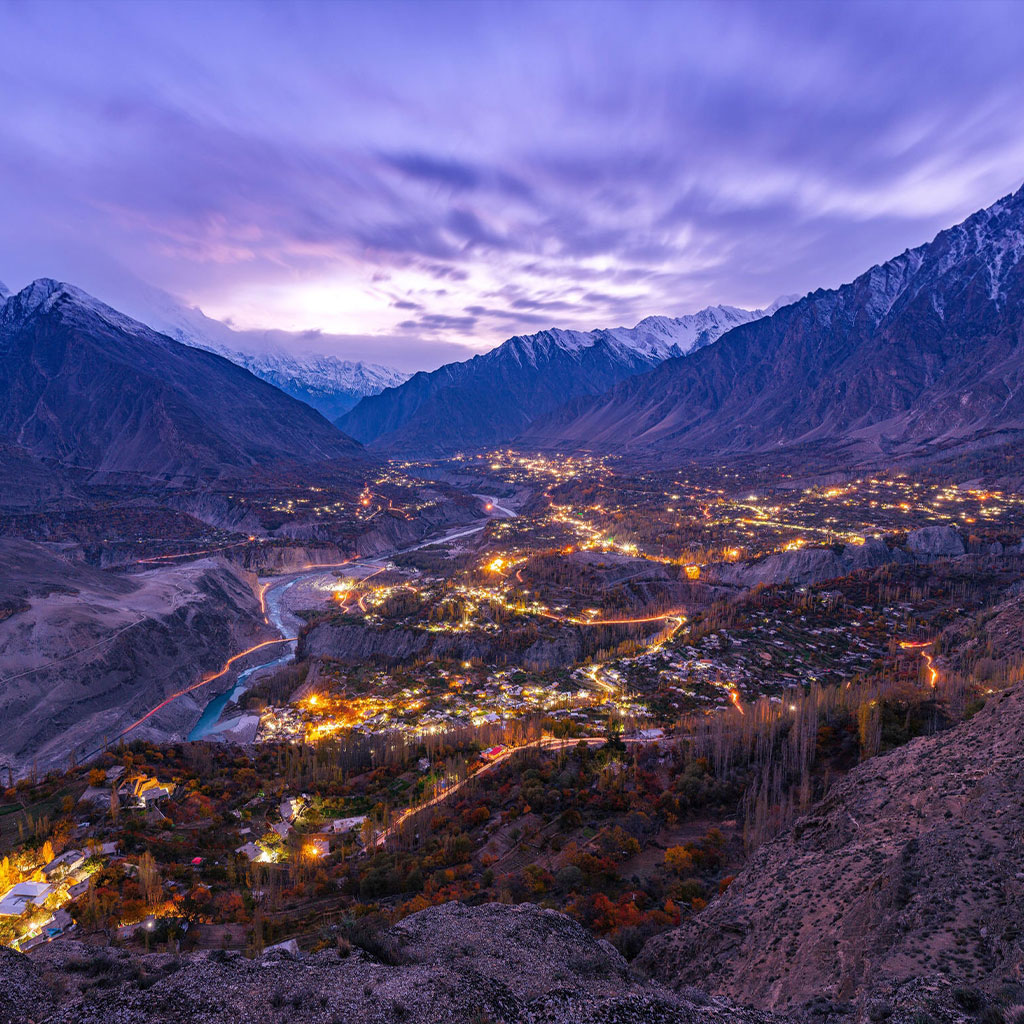
Hunza Valley is one of the most spectacular destinations in northern Pakistan. Located in Gilgit-Baltistan and surrounded by the high mountains of the Karakoram, Hunza is known for dramatic peaks, turquoise lakes, ancient forts, green villages, fruit orchards and distinctive local culture.
A journey through Hunza Valley Pakistan is much more than a sightseeing trip. The valley brings together natural landscapes and centuries of history. Travellers can explore the historic streets of Karimabad, visit Baltit and Altit Forts, watch sunrise from Duikar, enjoy the turquoise waters of Attabad Lake, photograph the Passu Cones, experience Wakhi culture in Upper Hunza and continue along the Karakoram Highway towards Khunjerab Pass.
For international visitors, Hunza is also an excellent place to begin discovering Gilgit-Baltistan tourism. The region can be combined with Gilgit, Ghizar, Skardu, Fairy Meadows, Chitral and major trekking destinations depending on the season and itinerary.
Quick view: Hunza is ideal for mountain scenery, cultural tourism, heritage, photography, road trips, family holidays, trekking and adventure travel. Popular highlights include Karimabad, Baltit Fort, Altit Fort, Attabad Lake, Passu, Gulmit, Duikar, Borith Lake and Khunjerab Pass.
Where Is Hunza Valley?
Hunza Valley is located in the northern part of Gilgit-Baltistan, Pakistan, along the historic Karakoram Highway. The wider Hunza District covers a large mountainous area and includes Central Hunza, Upper Hunza and several important valleys and settlements.
The administrative centre of the district is Aliabad, while Karimabad is the best-known cultural and tourism centre. From Karimabad, travellers can continue north towards Attabad Lake, Gulmit, Passu, Sost and Khunjerab Pass.
Hunza is recognised as a major tourism destination because of its spectacular mountain scenery, cultural heritage, historic forts, traditional architecture, local cuisine and fruit orchards.
Why Is Hunza Valley Famous?
Hunza is famous for the way dramatic mountain scenery and living cultural heritage exist together within a relatively compact travel region.
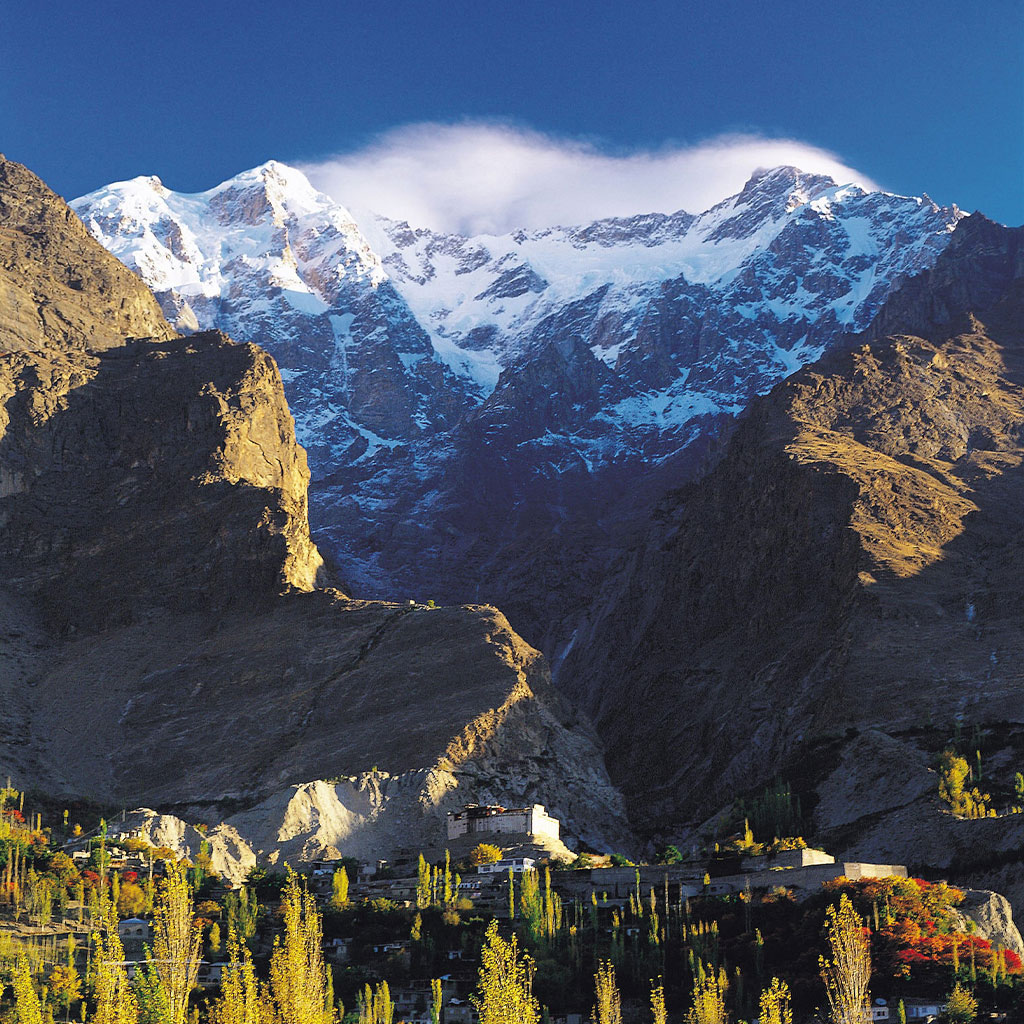
The valley is surrounded by impressive peaks of the Karakoram. Mountains such as Ultar Sar and Lady Finger dominate views around Central Hunza, while the wider district provides access to Passu, Khunjerab and other high mountain landscapes.
Hunza is equally famous for its history. The ancient Baltit Fort and Altit Fort, historic settlements and archaeological sites provide a connection to the region's past and its position along historic routes through the mountains.
The landscape changes dramatically as you travel north. Central Hunza is known for orchards and historic settlements, while Upper Hunza becomes increasingly rugged, with glaciers, sharp peaks and high-altitude valleys.
Best Places to Visit in Hunza Valley
Hunza is not a single attraction. It is a collection of valleys, villages, lakes, forts and mountain viewpoints. A good Hunza Valley itinerary should allow enough time to explore several areas rather than visiting only Karimabad.
Karimabad
Karimabad is the cultural and tourism heart of Central Hunza. The historic town sits above the Hunza River and provides access to Baltit Fort, traditional settlements, local markets and mountain viewpoints.
Visitors can walk through the old streets, explore local handicrafts, taste Hunza cuisine and enjoy views towards the surrounding Karakoram peaks.
Explore Karimabad as part of your Hunza journey.
Baltit Fort
Baltit Fort is one of the most important historical landmarks in Hunza. The ancient fort stands above Karimabad and provides panoramic views over the valley and surrounding mountains.
The fort represents an important part of Hunza's architectural and political history. Today it is one of the region's most visited heritage attractions and an essential stop for travellers interested in the history of northern Pakistan.
Altit Fort
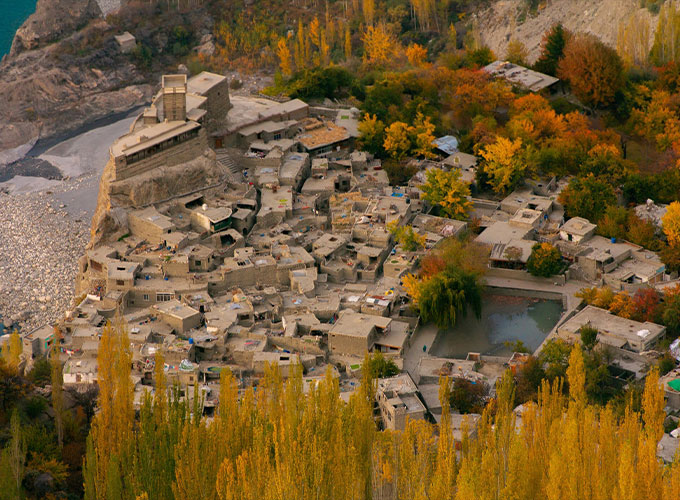
Altit Fort is another outstanding heritage site in Hunza. Perched above the Hunza River, the fort and surrounding historic settlement provide a fascinating insight into the region's architecture, traditions and former ruling systems.
The restored fort is particularly attractive to visitors who want to combine mountain scenery with cultural and heritage tourism.
Attabad Lake
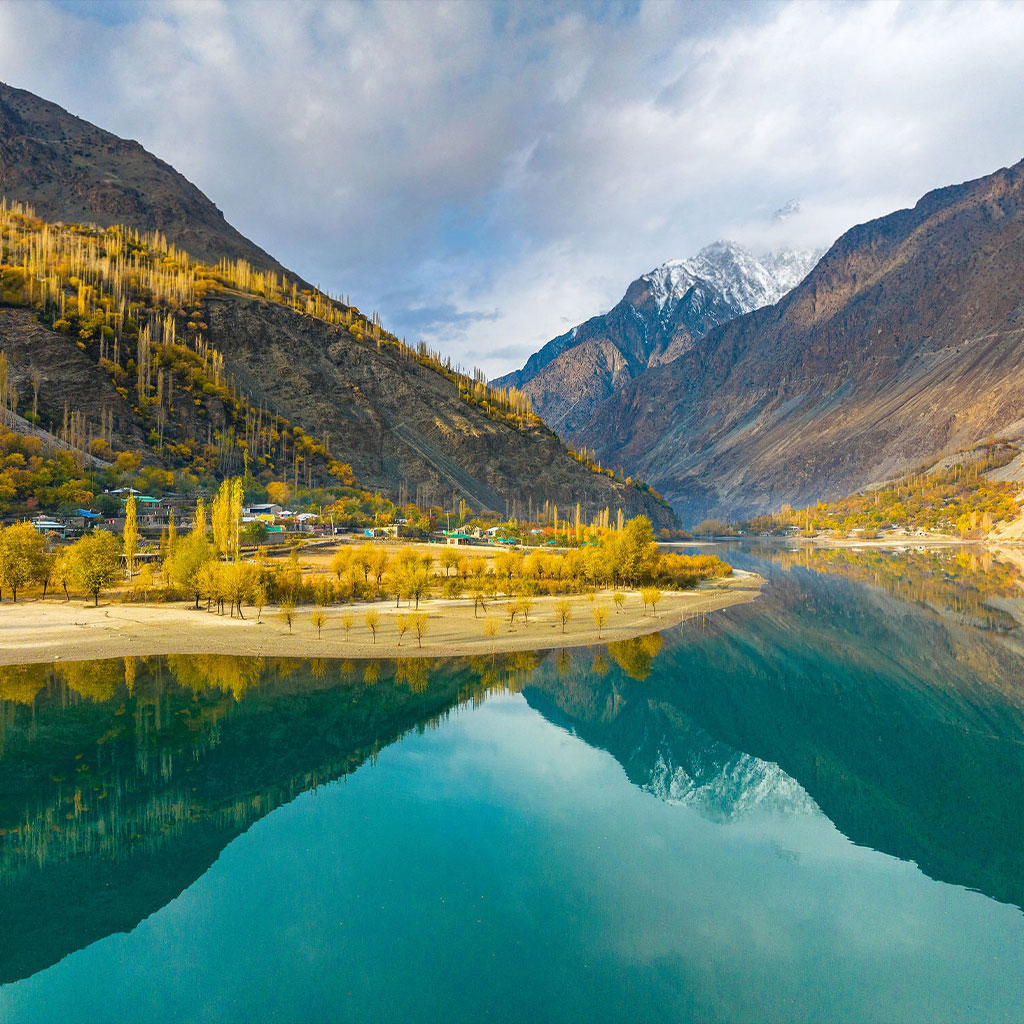
Attabad Lake is one of the most recognisable attractions in Hunza. Its striking turquoise-blue water contrasts dramatically with the surrounding barren Karakoram mountains.
The lake was formed after a major landslide at Attabad in January 2010 blocked the Hunza River. Today it is one of the region's most popular tourist attractions and offers boating and other water-based recreation when conditions and local regulations permit.
Attabad is especially impressive when approached along the Karakoram Highway. The sudden appearance of the blue lake between the mountains is one of the defining moments of a Hunza road trip.
Duikar and Eagle's Nest
Duikar is a mountain village above Karimabad and is widely known for its panoramic views. The area is particularly popular for sunrise and sunset photography.
From elevated viewpoints around Duikar, visitors can see a broad panorama of Hunza and surrounding mountain peaks. On clear nights, the high elevation and low light pollution can also provide excellent opportunities for stargazing.
Gulmit Valley
Gulmit is a historic settlement in Upper Hunza and an important cultural destination. It is associated with Wakhi culture and provides access to several attractions around Gojal.
The village and surrounding area offer a different experience from Karimabad, with traditional homes, mountain views, cultural heritage and access to Upper Hunza attractions.
Passu and the Passu Cones
Passu is one of the most photographed landscapes in Hunza. The sharp peaks commonly known as the Passu Cones rise dramatically above the village and surrounding valley.
The area is ideal for landscape photography, short walks and experiencing the rugged scenery of Upper Hunza. Passu can also be used as a base for exploring nearby attractions before continuing towards Sost and Khunjerab.
Borith Lake
Borith Lake is a high-altitude lake near Gulmit and Passu. Its quieter atmosphere makes it an appealing destination for travellers interested in photography, birdwatching, nature and short walks.
Borith can be added to a longer Upper Hunza itinerary rather than treated as a rushed stop between Karimabad and Khunjerab.
Hussaini Suspension Bridge
The Hussaini Suspension Bridge has become one of the best-known adventure attractions in Upper Hunza. Suspended above the Hunza River, it offers dramatic mountain views and an unusual crossing experience.
Visitors should follow local safety instructions and avoid unnecessary risks while taking photographs.
Sost
Sost is an important settlement in Upper Hunza and a major stopping point on the route towards Khunjerab Pass. It has a strong connection with cross-border trade and the Karakoram Highway.
Travellers heading towards the Pakistan-China border usually pass through Sost before entering the higher-altitude landscape of Khunjerab National Park.
Khunjerab Pass
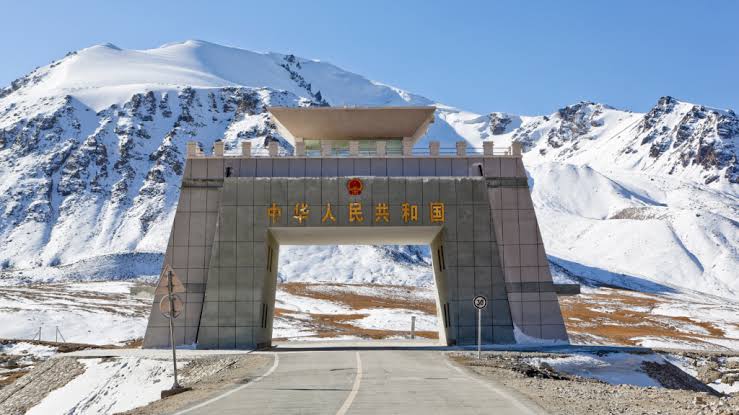
Khunjerab Pass is one of the highest and most famous destinations associated with Hunza. Located at approximately 4,693 metres above sea level, it connects Pakistan's Gilgit-Baltistan region with China's Xinjiang region.
The journey from Hunza to Khunjerab is an experience in itself. The route passes through Attabad, Gulmit, Passu and Sost before climbing into the high-altitude landscape of Khunjerab National Park.
Things to Do in Hunza Valley
Explore Hunza's Historic Forts
History lovers should allow time for both Baltit Fort and Altit Fort. Visiting these sites helps explain how mountain communities developed political systems, architecture and trade networks in the Hunza region.
Experience Hunza Culture
Hunza is home to distinctive cultural traditions, local languages, music, food and community life. Burushaski, Shina and Wakhi are among the languages spoken in different parts of the district, while Urdu and English are also widely understood.
Visitors can experience local culture through food, village walks, traditional architecture, festivals, handicrafts and community-based tourism.
Enjoy Local Food
Hunza cuisine is an important part of the travel experience. Local dishes, breads, soups, teas, dried fruits and seasonal produce reflect the agricultural traditions of the mountain environment.
Hunza is also known for fruits including apricots, cherries, apples, mulberries and grapes.
Photography in Hunza
Hunza is one of the strongest photography destinations in Pakistan. The combination of snow-covered peaks, turquoise lakes, historic forts, orchards and traditional villages provides opportunities for landscape, cultural and architectural photography.
For the best light, photographers should consider early morning and late afternoon. Staying several nights also allows flexibility when clouds, weather and mountain light change.
Boating and Water Activities
Attabad Lake offers boating and other recreational activities when operating conditions and local regulations permit. The lake's bright blue water and surrounding mountains make it one of the most memorable experiences on a Hunza tour.
Hiking and Trekking
Hunza provides access to hiking routes ranging from short village walks to demanding high-altitude treks. Trekkers can explore routes around Upper Hunza, Passu and other mountain valleys.
More technical or remote routes require experienced guides, suitable equipment and proper preparation.
Mountain Road Trips
A Hunza road trip is an attraction in its own right. The Karakoram Highway connects the major settlements and provides access to some of the most spectacular mountain landscapes in Pakistan.
A longer journey can combine Hunza with Gilgit, Ghizar, Chitral or other destinations depending on road conditions and the season.
Best Time to Visit Hunza Valley
The best time to visit Hunza Valley depends on the experience you want. Hunza changes significantly throughout the year, and each season has its own character.
Spring in Hunza
Spring is famous for blossoming fruit trees. Apricot, cherry and other orchards can transform the villages into colourful landscapes, particularly around Central Hunza.
Spring is an excellent period for photography and travellers interested in gardens, orchards and cultural landscapes.
Summer in Hunza
Summer is the main tourism season. Roads and higher destinations are generally more accessible, and travellers can explore Attabad, Passu, Khunjerab and other mountain attractions when conditions permit.
Because summer is busy, popular hotels and private transport should be arranged in advance.
Autumn in Hunza
Autumn is one of the most visually striking seasons in Hunza. Trees around villages and orchards change colour, creating golden landscapes against the dark mountains and snow-covered peaks.
For photographers, autumn can be one of the best times to plan a Hunza Valley tour.
Winter in Hunza
Winter brings snow and much colder conditions. Some high-altitude routes and attractions may become inaccessible, while lower parts of Hunza can still be visited depending on weather and road conditions.
Travellers planning winter journeys should confirm current road conditions and use experienced local drivers.
How to Get to Hunza Valley
Most travellers reach Hunza through Gilgit and then continue along the Karakoram Highway. Hunza can be reached by road from Islamabad through the Karakoram Highway route, while travellers can also use flights to Gilgit when suitable services are operating and then continue by road.
Islamabad to Hunza
The journey from Islamabad to Hunza is a long mountain road trip. Rather than trying to complete it in one continuous drive, a multi-day itinerary is more comfortable and allows travellers to appreciate the landscapes along the route.
A typical journey may include stops around Besham, Chilas, Gilgit and Hunza, depending on the chosen route and road conditions.
Gilgit to Hunza
Gilgit is the main gateway for many visitors travelling to Hunza. From Gilgit, the Karakoram Highway continues north towards Aliabad and Karimabad before entering Upper Hunza.
The journey provides access to Central Hunza and then continues towards Attabad, Gulmit, Passu, Sost and Khunjerab.
Travelling by Road
Private vehicles, hired cars, tourist vans and other road transport options are commonly used for Hunza journeys. For international visitors and first-time travellers, an experienced local driver can make the journey considerably easier, particularly on long mountain routes.
Hunza Valley Travel Cost
The Hunza Valley travel cost varies according to the season, group size, transportation, accommodation and itinerary.
A backpacker using shared transport and simple accommodation will have a very different budget from a private family or international tour using a dedicated vehicle, guide and higher-category hotels.
When planning your budget, consider:
- Transportation to and from Hunza
- Private vehicle or shared transport
- Hotel or guesthouse accommodation
- Meals and drinks
- Local guides
- Fort and attraction entry fees
- Boat and other activities at Attabad Lake
- Additional excursions
- Emergency or weather-related expenses
Summer and festival periods can increase demand for accommodation and private vehicles. Booking ahead is therefore advisable for fixed-date trips.
How Many Days Do You Need in Hunza?
A short visit can introduce you to Central Hunza, but a longer stay provides a much better understanding of the valley.
3 Days: Karimabad, Baltit Fort, Altit Fort and Duikar.
5 Days: Central Hunza, Attabad Lake, Gulmit, Passu and surrounding attractions.
7 Days: A more relaxed Hunza and Khunjerab itinerary.
10 Days: Hunza combined with additional mountain valleys and cultural experiences.
Longer: Ideal for trekking, photography, cultural tourism or combining Hunza with Skardu, Ghizar or Chitral.
Suggested Hunza Valley Itinerary
Day 1 — Gilgit to Hunza
Travel from Gilgit towards Hunza and arrive around Aliabad or Karimabad. Depending on arrival time, explore the local area and enjoy your first views of the surrounding mountains.
Day 2 — Karimabad and Baltit Fort
Explore Karimabad, visit Baltit Fort and walk through the historic streets. Spend time at local shops and enjoy traditional Hunza food.
Day 3 — Altit Fort and Duikar
Visit Altit Fort and the historic settlement around it. Later, travel towards Duikar for panoramic mountain views and sunset.
Day 4 — Attabad Lake and Gulmit
Travel north towards Attabad Lake. Enjoy the lake and continue towards Gulmit in Upper Hunza. Depending on time, explore the local area before staying overnight.
Day 5 — Passu and Upper Hunza
Explore Passu, photograph the Passu Cones and visit nearby attractions. Continue towards Sost if your itinerary includes Khunjerab.
Day 6 — Khunjerab Pass
Travel through Sost and Khunjerab National Park towards Khunjerab Pass. Because of altitude and road conditions, allow plenty of time and follow local guidance.
Day 7 — Return or Continue
Return towards Central Hunza or continue your wider northern Pakistan journey. Travellers with more time can combine Hunza with Ghizar, Skardu, Chitral or other destinations.
Hunza Valley and the Karakoram Highway
The Karakoram Highway is one of the defining features of a Hunza journey. The road connects communities and mountain destinations across northern Pakistan and continues towards the Pakistan-China border.
Travelling north from Hunza, the scenery changes gradually. Orchards and villages give way to larger mountains, glaciers, high valleys and increasingly remote landscapes.
For road-trip travellers, this journey is as important as the attractions themselves.
Hunza Valley and Khunjerab Pass
Khunjerab Pass is one of the most popular extensions to a Hunza Valley tour. The journey passes through some of the most spectacular landscapes in Upper Hunza before entering Khunjerab National Park.
Read our Khunjerab Pass Travel Guide for more information about the Pakistan-China border, route, weather, national park and travel planning.
Hunza Valley and Ghizar Valley
Travellers with more time can combine Hunza with Ghizar Valley. This creates a broader western and northern Gilgit-Baltistan itinerary covering different landscapes, cultures and mountain environments.
Ghizar includes destinations such as Gupis, Phander, Yasin and Shandur. The contrast between Hunza's famous heritage sites and Ghizar's quieter valleys can make for an excellent longer journey.
Explore Ghizar Valley to continue planning your northern Pakistan itinerary.
Hunza Valley and Shandur Pass
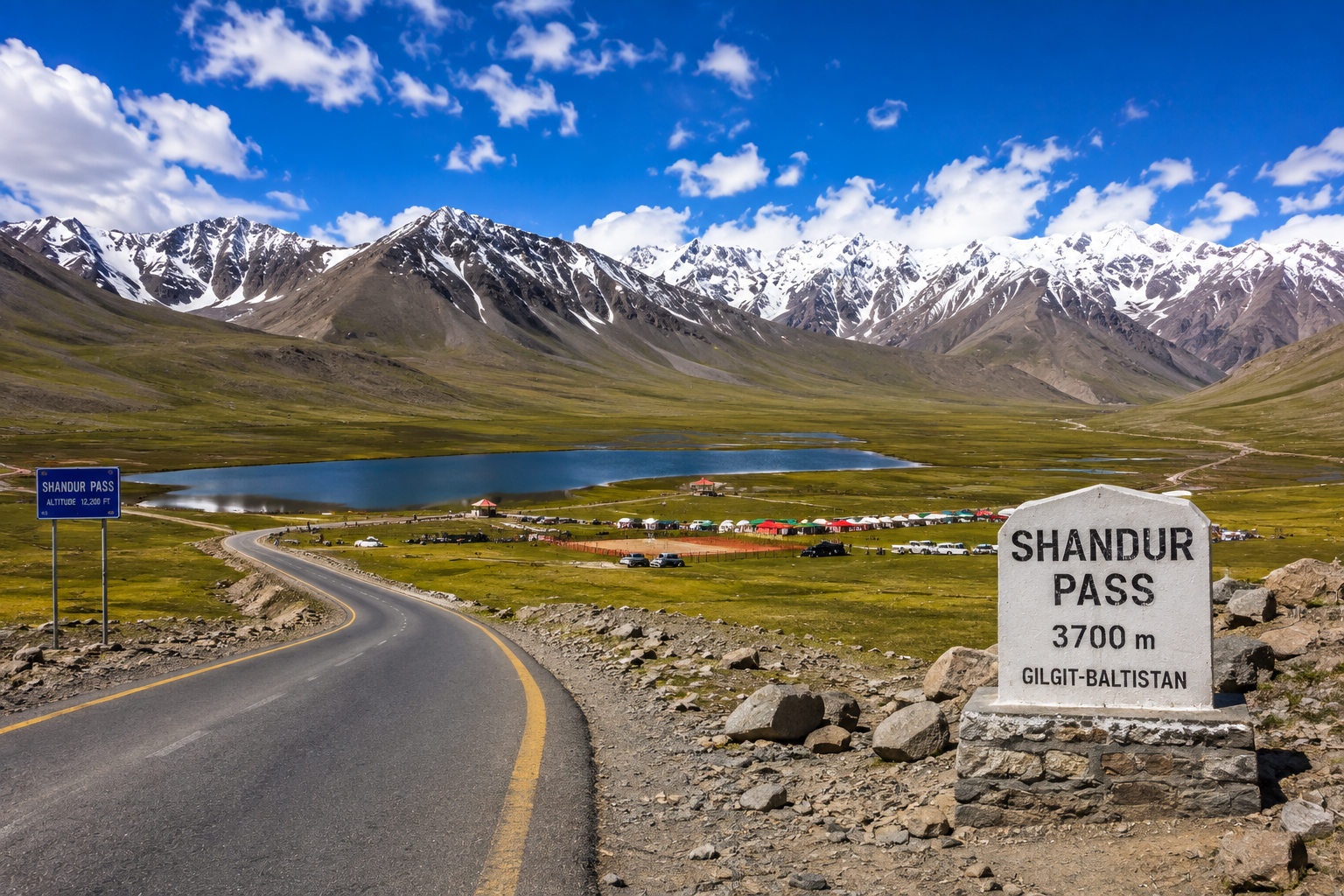
Travellers interested in mountain road trips can also connect Hunza with Shandur Pass through a wider Gilgit-Baltistan and Chitral itinerary.
Shandur is famous for its high-altitude polo ground and annual Shandur Polo Festival.
Explore Shandur Pass and learn about the mountain route, alpine landscape and travel planning.
Hunza Valley Culture and Heritage
One of Hunza's greatest strengths is the relationship between its natural environment and living cultural heritage.
The region was historically a princely state and contains forts, watchtowers, mosques, historic settlements and archaeological sites. Important heritage attractions include Baltit Fort, Altit Fort, historic polo grounds and the Sacred Haldekish Rocks at Ganish.
Travellers should therefore look beyond mountain viewpoints and spend time understanding the communities that have shaped the valley.
Languages of Hunza
Hunza is culturally diverse. Burushaski, Shina and Wakhi are among the local languages associated with different communities of the district, while Urdu and English are also widely spoken.
Learning a few simple local greetings and expressions can be a respectful and enjoyable part of the travel experience.
Hunza Food and Local Produce
Food is another important part of experiencing Hunza. Traditional dishes reflect the region's mountain environment and agricultural history.
Visitors can encounter local breads, soups, noodles, teas, dried fruits and seasonal produce. Hunza is particularly known for fruits such as apricots, apples, cherries, mulberries and grapes.
Trying locally prepared food and purchasing products directly from local producers can also help tourism income remain within the community.
Hunza Valley for Families
Hunza is well suited to families who enjoy nature, culture and scenic road travel. Families can combine relatively easy sightseeing with historic forts, lakes, villages and short walks.
Because travel distances can be long, a relaxed itinerary is better than attempting to cover every attraction in a few days. Children should have regular breaks and travellers should carry water, snacks and warm layers.
Hunza Valley for Photographers
Photographers can easily spend a week in Hunza without running out of subjects. Mountain peaks, forts, orchards, rivers, lakes, villages and changing weather provide a wide range of landscapes.
Spring blossoms and autumn colours are especially attractive, while winter offers a completely different snow-covered environment.
When photographing people or private property, always ask permission and respect local customs.
Hunza Valley for Adventure Travellers
Hunza is not only a sightseeing destination. It is also a gateway to trekking, mountaineering, glacier travel and high-altitude adventure.
Some activities are suitable for ordinary travellers, while others require specialist equipment, permits, acclimatisation and experienced guides. Adventure Touristik can help match an itinerary to your experience level and travel objectives.
Responsible Tourism in Hunza
Hunza's popularity creates opportunities for local communities but also places pressure on natural and cultural resources.
Responsible tourism should therefore be part of every visit. Travellers can help by reducing plastic waste, carrying rubbish out of remote areas, conserving water, respecting local property and supporting locally owned businesses.
Visitors should avoid damaging historic structures, disturbing wildlife or treating villages simply as photography locations.
Travel responsibly: Respect local communities, protect mountain environments, reduce waste and support local hotels, guides, restaurants, drivers and artisans whenever possible.
Hunza Valley Travel Tips
- Plan your route according to the season.
- Check current road conditions before travelling.
- Allow extra time for Karakoram Highway journeys.
- Book accommodation in advance during peak periods.
- Carry cash for smaller businesses and remote areas.
- Keep warm layers with you even during summer.
- Carry essential personal supplies.
- Use experienced local drivers for long mountain routes.
- Check conditions before travelling towards Khunjerab Pass.
- Respect local culture, traditions and private property.
- Ask permission before photographing people.
- Do not leave plastic or other waste in natural areas.
- Support locally owned hotels, restaurants, guides and shops.
Frequently Asked Questions About Hunza Valley
Where is Hunza Valley located?
Hunza Valley is located in Gilgit-Baltistan in northern Pakistan. The wider Hunza District extends along the Karakoram Highway towards the Pakistan-China border.
What is Hunza Valley famous for?
Hunza is famous for its dramatic Karakoram mountains, Baltit and Altit Forts, Attabad Lake, Passu Cones, Karimabad, traditional villages, orchards and rich cultural heritage.
Is Hunza Valley worth visiting?
Yes. Hunza is one of Pakistan's most rewarding destinations for travellers interested in mountain scenery, culture, history, photography, family holidays and adventure.
What is the best time to visit Hunza Valley?
Spring is popular for blossoms, summer for general sightseeing and mountain travel, and autumn for colourful landscapes. Winter offers snow but requires more careful planning because of weather and road conditions.
How many days are enough for Hunza Valley?
Three days can cover the main attractions around Central Hunza, while five to seven days provide enough time to explore Karimabad, Attabad, Upper Hunza and Khunjerab more comfortably.
How do I get to Hunza Valley from Islamabad?
Hunza can be reached by road from Islamabad through the northern mountain routes, while travellers can also use suitable flights to Gilgit and continue by road. A multi-day journey is recommended for a comfortable road trip.
How far is Hunza from Gilgit?
Hunza is reached by road from Gilgit along the Karakoram Highway. The exact travel time depends on the destination within Hunza, road conditions, traffic and stops.
Can I visit Khunjerab Pass from Hunza?
Yes. Khunjerab Pass is one of the most popular excursions from Upper Hunza. The journey passes through Attabad, Gulmit, Passu, Sost and Khunjerab National Park before reaching the Pakistan-China border.
Is Hunza suitable for families?
Yes. Families can enjoy forts, lakes, villages, scenic viewpoints and relatively easy sightseeing. A relaxed itinerary is recommended because mountain travel involves long road journeys.
Is Hunza good for trekking?
Yes. Hunza provides access to numerous hiking and trekking routes, from short walks to demanding high-altitude adventures. Serious treks require suitable preparation, equipment and experienced local support.
What language is spoken in Hunza?
Burushaski and Wakhi are important local languages, while Shina is also spoken in parts of the district. Urdu and English are widely used for communication with visitors.
What should I buy in Hunza?
Travellers can find local handicrafts, traditional products, dried fruits, apricots and other locally produced goods. Purchasing directly from local businesses can help support the destination's communities.
Plan Your Hunza Valley Tour with Adventure Touristik
Hunza is a destination that deserves more than a quick stop. Give yourself time to walk through Karimabad, explore its historic forts, watch the changing light on the mountains, experience Attabad Lake, travel through Upper Hunza and continue towards Khunjerab when conditions allow.
Adventure Touristik offers Hunza Valley tours and customized Pakistan travel experiences for international travellers, families, couples, photographers, small groups and adventure travellers.
Depending on your interests, your journey can combine Hunza, Karimabad, Baltit Fort, Altit Fort, Attabad Lake, Gulmit, Passu, Borith Lake, Khunjerab Pass, Ghizar Valley, Skardu or Chitral.
Discover Hunza Your Way
Choose a cultural journey, family holiday, photography trip, mountain adventure or customized Pakistan tour and explore Hunza at a comfortable pace.
Adventure Touristik — Explore Pakistan with responsible local travel planning.
Hunza Valley is where mountains, history, culture and adventure come together. Explore it slowly, travel responsibly and let the Karakoram become part of your journey.