Support
Secure Payment Methods
Book your Pakistan tour with confidence using our trusted international and regional payment options.




Explore Pakistan's protected landscapes, mountain wilderness, forests, wetlands and wildlife-rich national parks.
Pakistan is home to a remarkable variety of protected landscapes, ranging from high-altitude plateaus and glaciers in the north to deserts, forests, wetlands and dramatic coastal landscapes in the south. The national parks of Pakistan help protect important ecosystems, wildlife habitats and natural landscapes while also providing opportunities for responsible tourism, trekking, photography and outdoor exploration.
A national park is a protected area established to conserve natural environments, wildlife, plants and important landscapes. National parks can also have recreational, scientific, educational and cultural value when tourism is managed responsibly.
Pakistan's protected landscapes represent several ecological regions. The country's northern mountains contain some of the world's most dramatic high-altitude environments, while other national parks protect forests, wetlands, deserts, coastal landscapes and important wildlife habitats.
For travelers, these places offer opportunities to experience Pakistan beyond its major cities. Depending on the destination, visitors can enjoy trekking, wildlife observation, camping, photography, birdwatching, scenic drives and cultural exploration.
Northern Pakistan is particularly important for mountain tourism and wildlife conservation. Gilgit-Baltistan and Khyber Pakhtunkhwa contain protected areas with glaciers, alpine meadows, high mountain valleys and habitats for species adapted to extreme elevations.
Famous for its vast high-altitude plains and Himalayan brown bear habitat, Deosai is one of the most spectacular protected landscapes near Skardu and Astore.
Located in the high Karakoram near the Pakistan-China border, Khunjerab protects alpine ecosystems and important mountain wildlife.
A vast mountain protected area associated with some of Pakistan's greatest peaks, glaciers and trekking landscapes, including the Central Karakoram range.
Located near Chitral, this protected mountain valley is known for diverse wildlife and scenic Himalayan landscapes.
Located in the Kaghan region, this protected landscape is associated with high mountain lakes, valleys and trekking routes.
Located in Rawalpindi, Ayub National Park provides a green recreational space with gardens, a lake, boating facilities and family attractions.
One of Balochistan's best-known protected landscapes, Hingol is famous for its dramatic rock formations, coastal scenery and diverse habitats.
Located near Bahawalpur, Lal Suhanra represents a distinctive combination of desert, forest and wetland environments and is important for wildlife and birdlife.
A mountain protected area near Chitral where visitors can experience scenic valleys and important wildlife habitats.
A high-altitude wilderness near Skardu and Astore, especially notable for its Himalayan brown bear conservation landscape.
The national parks of Pakistan protect habitats for a wide range of wildlife. Depending on the region, travelers may encounter or learn about species such as the Himalayan brown bear, snow leopard, Himalayan ibex, markhor, wolves, foxes and numerous birds of prey.
Deosai, for example, is particularly important for the conservation of the Himalayan brown bear. The Gilgit-Baltistan Forest, Wildlife and Environment Department identifies Deosai as an important habitat for the species and also records Himalayan ibex, red fox, Tibetan wolf and golden marmot among its wildlife.
In the northern mountain parks, wildlife observation should always be approached responsibly. Animals should never be chased, fed or disturbed for photographs.
The best time depends on the location, elevation and purpose of your trip. High-altitude parks in northern Pakistan generally have a shorter summer travel season because winter brings heavy snowfall and difficult road conditions.
| Region / Park Type | Typical Travel Focus | Planning Consideration |
|---|---|---|
| High-altitude northern parks | Trekking, wildlife, camping | Snow and road access |
| Mountain valleys | Hiking, photography, nature | Weather can change quickly |
| Southern and lowland parks | Wildlife, landscapes, sightseeing | Seasonal heat and local conditions |
National parks exist primarily to protect natural environments and wildlife. Visitors can help preserve these places by following local regulations and leaving the landscape as they found it.
A national park trip can range from a simple family day out to a multi-day mountain expedition. Before traveling, check road conditions, weather, permits, accommodation availability and any restrictions imposed by the relevant park authorities.
For remote mountain parks, a local guide and suitable transport can make the journey considerably safer and more practical. Travelers should also prepare for limited mobile coverage, changing weather and basic facilities in remote areas.
If you are visiting Pakistan specifically for mountains and protected landscapes, you can combine national park destinations with nearby valleys, cultural sites and trekking routes to create a longer northern Pakistan itinerary.
Continue exploring our national park guides for detailed information about individual destinations:
The number of designated national parks has changed over time as new protected areas have been notified. For this reason, travelers should check the relevant provincial or federal wildlife authority for the latest official list.
Deosai National Park in Gilgit-Baltistan is particularly well known for its Himalayan brown bear conservation landscape.
Deosai, Khunjerab, Central Karakoram and Chitral Gol are among the important northern protected areas for travelers interested in mountain landscapes, wildlife and outdoor adventure.
Yes. Ayub National Park is located in Rawalpindi, Punjab, along the Grand Trunk Road area. The Rawalpindi district government describes it as a major recreational park with a lake, boating facilities, gardens and family attractions.
From the high plains of Deosai to the forests, valleys and mountain landscapes of northern Pakistan, our travel team can help you design a practical itinerary around your interests.
Plan a Custom Pakistan Tour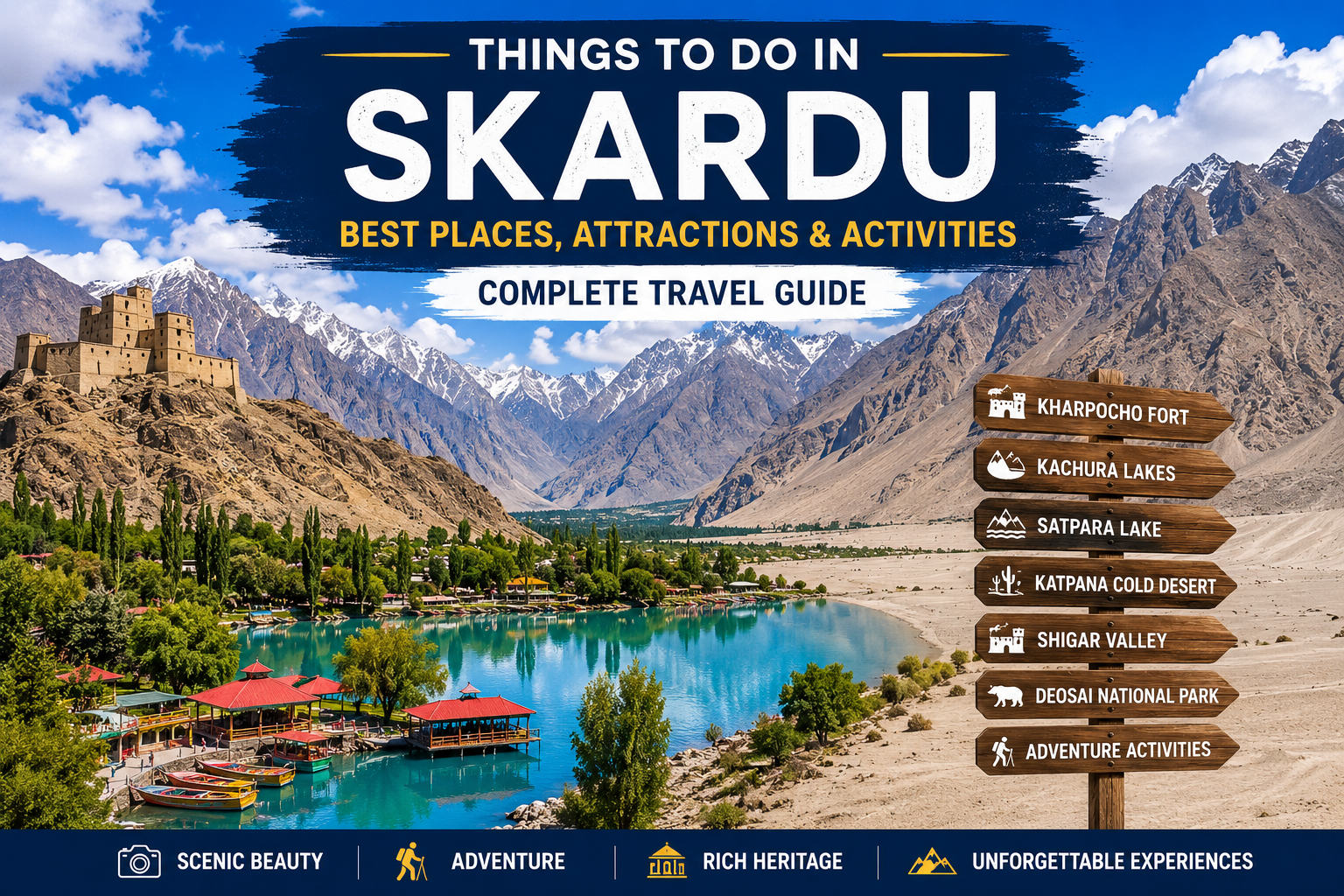

Thoughtful thoughts to your inbox
Book your Pakistan tour with confidence using our trusted international and regional payment options.
Follow us @AdvTouristik
Copyright © 2026 Adventure Touristik Pvt Ltd®. All Rights Reserved.

