Support
Secure Payment Methods
Book your Pakistan tour with confidence using our trusted international and regional payment options.




Kumrat Valley is a beautiful mountain destination in Upper Dir, Khyber Pakhtunkhwa, known for its tall Deodar forests, the clear Panjkora River, waterfalls, green meadows and peaceful alpine scenery.

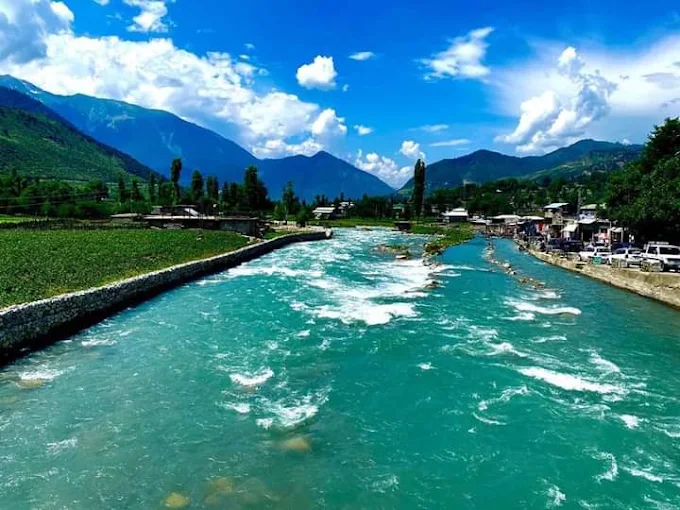
Kumrat Valley is one of the scenic mountain destinations of Khyber Pakhtunkhwa. Located in Upper Dir, the valley is surrounded by forests, mountains, streams and open green landscapes, with the Panjkora River flowing through much of the area.
The valley has a natural, less urban atmosphere that appeals to travelers looking for forests, riverside scenery, camping and mountain adventures. Its combination of thick Deodar trees, cool weather and rugged landscapes makes Kumrat particularly attractive during the warmer months.
Kumrat Valley is located in Upper Dir District of Khyber Pakhtunkhwa, Pakistan. Travelers generally approach the valley through Thal before continuing along the mountain road towards Kumrat.
The road becomes increasingly rugged as you travel deeper into the valley. Some sections are unpaved and rough, so a suitable 4x4 jeep is recommended, especially for excursions away from the main accessible areas.
Kumrat offers a different experience from heavily developed tourist destinations. The valley is known for its forested surroundings, mountain streams and peaceful riverside locations where visitors can spend time close to nature.
It is also a useful base for exploring higher mountain attractions, including Jahaz Banda Meadows and Katora Lake, although these excursions require more time and physical effort than sightseeing within the main valley.
The Panjkora River is one of Kumrat's most recognizable natural features. Clear mountain water passes through the valley, creating attractive places for photography, relaxing beside the river and enjoying the surrounding scenery.
Kumrat Waterfall is a popular natural attraction surrounded by rocks, forest and mountain scenery. It can be included in a valley sightseeing itinerary when road and weather conditions allow.
Jahaz Banda is a high-altitude meadow area that provides expansive mountain views. Reaching the meadows involves a more demanding mountain journey and is better suited to travelers prepared for trekking and rough terrain.
Katora Lake is a beautiful alpine lake reached through trekking routes connected with the Jahaz Banda area. It is a rewarding objective for travelers interested in hiking and high-altitude landscapes.
Kala Chashma is a scenic spring area surrounded by the natural landscape of Kumrat. It is suitable for visitors looking for quieter spots away from the busier viewpoints.
The journey to Kumrat Valley normally continues through Upper Dir towards Thal. From Thal, the route becomes more rugged as it follows the mountainous terrain towards the valley.
Because road conditions can change with weather and seasonal maintenance, visitors should allow flexibility in their travel plans. A 4x4 jeep is particularly useful for the rougher sections and for reaching attractions farther inside the valley.
May to October is generally the most suitable period for visiting Kumrat Valley. During the warmer months, the forests are greener, mountain streams are active and many routes and attractions are more accessible.
Autumn can also provide beautiful scenery as vegetation changes colour. Winter brings colder conditions and snowfall, which can make mountain roads difficult or inaccessible.
Kumrat is particularly suitable for travelers who enjoy natural landscapes rather than highly developed tourist attractions. The combination of forests, rivers, mountain roads and trekking routes creates opportunities for both relaxed sightseeing and more active outdoor trips.
For visitors planning a longer journey through northern Pakistan, Kumrat can also be combined with other destinations in Khyber Pakhtunkhwa depending on the route, season and available travel time.
Kumrat Valley is part of the wider tourism landscape of Khyber Pakhtunkhwa, a region known for mountain valleys, alpine lakes, forests, rivers and adventure destinations.
Explore Khyber Pakhtunkhwa TourismIf you are interested in alpine lakes and off-road mountain journeys in Khyber Pakhtunkhwa, explore Mahodand Lake in the Swat Valley.
Explore Mahodand LakeKumrat Valley brings together Deodar forests, the Panjkora River, waterfalls, green mountain landscapes and challenging trekking routes. Whether you are visiting for a peaceful escape, photography, camping or a mountain adventure, responsible travel will help preserve the natural character of this remarkable part of Upper Dir.
FEATURED ARTICLE
Discover Kumrat Valley in Upper Dir, with its Deodar forests, Panjkora River, waterfalls, mountain scenery and trekking opportunities.
FEATURED ARTICLE
Explore Mahodand Lake in Swat, a scenic alpine destination surrounded by mountains, forests and clear glacial waters.
FEATURED ARTICLE
Explore the wider Khyber Pakhtunkhwa region, from mountain valleys and alpine lakes to forests, rivers and adventure destinations.
Thoughtful thoughts to your inbox
Book your Pakistan tour with confidence using our trusted international and regional payment options.
Follow us @AdvTouristik
Copyright © 2026 Adventure Touristik Pvt Ltd®. All Rights Reserved.

